


Personal finance often feels like a giant puzzle that most people struggle to solve throughout their lives. Many individuals believe that building wealth requires a massive inheritance or an extremely high-paying executive job. However, true financial freedom usually stems from the small and consistent habits you practice every single day.
Taking control of your money starts with a radical shift in how you perceive every single dollar. You must move from being a passive spender to becoming an active architect of your own economic future. This journey requires you to balance your current desires with the needs of your future self.
Mastering your money involves understanding psychology just as much as it involves understanding basic math and interest. By developing smart habits, you can eliminate the stress of debt and build a lasting legacy.
This guide provides a deep dive into the strategies that turn ordinary earners into wealthy individuals. We will explore everything from tracking your cash flow to the advanced physics of compound interest.
The Psychology of Intentional Spending Habits
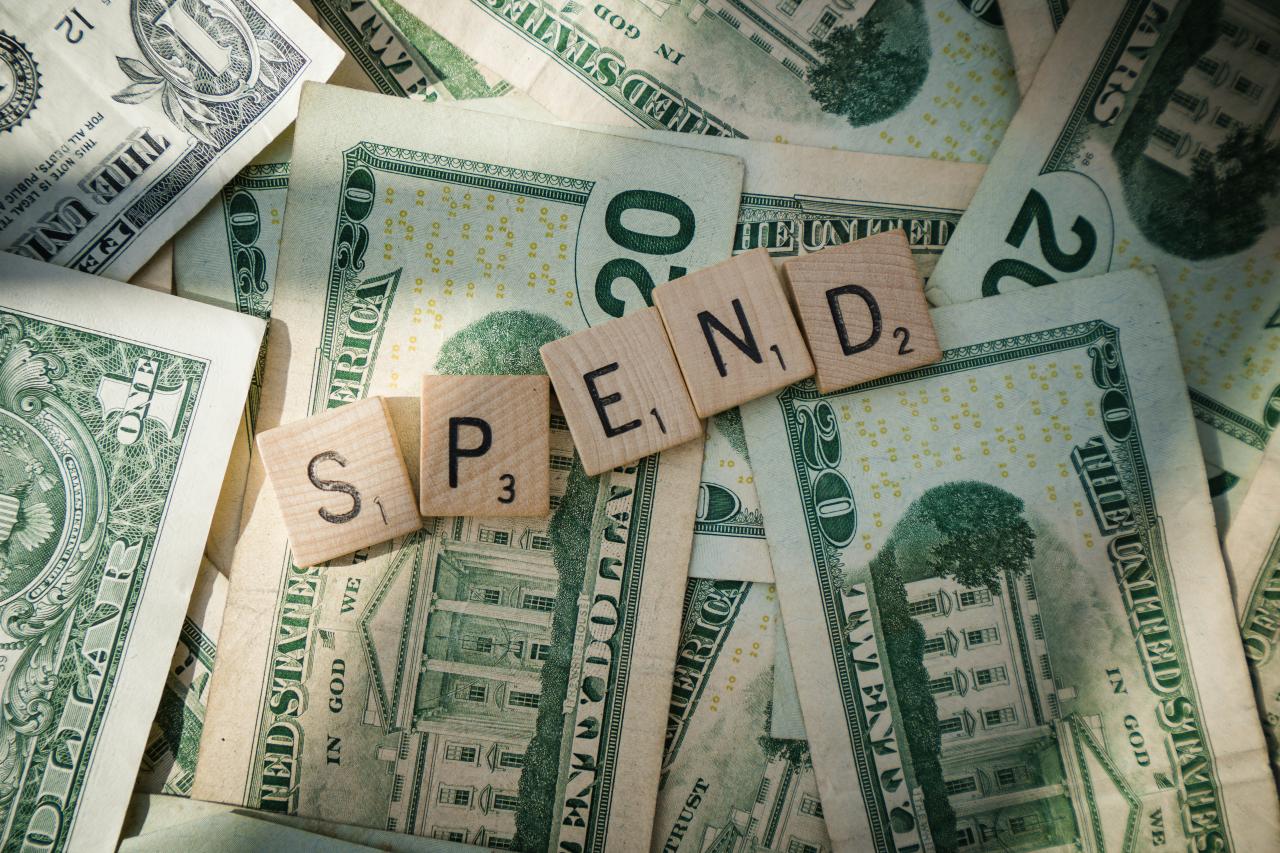
Your brain often seeks a quick dopamine hit from buying things you do not really need. Most people spend money when they feel stressed, bored, or even slightly lonely after a long day. You can break this cycle by identifying the specific emotions that trigger your urge to shop.
I believe that most financial problems start in the mind before they ever reach the bank account. You solve this by creating a “buffer time” between the urge to buy and the actual purchase.




A. Identifying Your Unique Spending Triggers
Track your emotions every time you feel the need to pull out your credit card. You might find that you spend more when you are tired or feeling undervalued. Recognizing these patterns allows you to find better ways to cope with your feelings.
B. Defining Your Core Financial Values
You should only spend money on things that bring genuine value to your life. Make a list of your top three priorities, such as family, travel, or health. If an expense does not align with these values, you should cut it out.
C. The Power of the Forty-Eight Hour Rule
Wait at least two full days before making any non-essential purchase over a certain amount. This cooling-off period kills the impulsive urge and saves you thousands of dollars annually. You will often realize that you did not actually want the item that much.
The Mechanics of Precise Cash Tracking
You cannot manage what you do not measure with a high degree of accuracy. Most people lose hundreds of dollars every month to small and hidden expenses they forget. Effective tracking turns your bank statement from a total mystery into a clear and useful map.
From my perspective, tracking is the only way to expose the “silent leaks” in your budget. Once you see the data, the path to saving becomes much more obvious.
A. Categorizing Every Single Transaction Daily
Break your spending down into fixed costs and variable lifestyle choices every evening. Use a simple app or a small notebook to see your percentages clearly. You will likely find that small food purchases are your biggest hidden leak.
B. Building a Resilient Zero-Based Budget
Assign every cent of your income to a specific category before the month begins. This gives you total permission to spend while ensuring you meet your savings goals. A budget is not a cage; it is a blueprint for your freedom.
C. Adjusting for Seasonal and Irregular Costs
Do not forget about annual expenses like car registration or holiday gift shopping. Divide these yearly costs by twelve and save for them every single month. This prevents “financial emergencies” that are actually just predictable recurring events.
The Aggressive War on High-Interest Debt
Debt acts as a heavy weight that prevents you from moving toward your goals. It is the biggest thief of your future wealth and your daily mental peace.
You must become aggressive and focused to win this battle for your life. I suggest viewing debt as a leak in your financial boat that you must plug. Every dollar spent on interest is a dollar that cannot work for your future.
A. Using the Strategic Debt Avalanche Method
List your debts from the highest interest rate down to the lowest rate. Pay the minimum on everything except the top debt on your list. This strategy mathematically minimizes the total amount of interest you pay to banks.
B. The Debt Snowball for Psychological Momentum
Some people prefer to pay off the smallest balance first for a quick win. This creates a sense of achievement that keeps you motivated for the long haul. Choose the method that fits your personality and keeps you moving forward.
C. Negotiating with Creditors for Lower Rates
You can often call your credit card company to ask for a lower rate. Tell them you are looking at balance transfer offers from other competing banks. A lower rate means more of your money goes toward the actual principal.
Automating Your Path to Passive Wealth
Willpower is a finite resource that eventually runs out for everyone during the day. Automation removes human error and ensures your goals happen in the background of life.
It is the most effective way to build wealth without thinking about it. In my view, automation is the “set it and forget it” secret of the rich. It removes the temptation to spend money before you have a chance to save.
A. Direct Deposit into Multiple Savings Accounts
Ask your employer to split your paycheck into two or three different accounts. Send a fixed percentage to savings before you ever see the actual cash. This ensures you pay yourself first every single time you earn money.
B. Automatic Bill Pay to Avoid Late Fees
Set up recurring payments for all your utility bills and credit card statements. This eliminates late fees and protects your credit score from accidental drops. It also frees up mental space so you can focus on more important tasks.
C. Recurring Investment Contributions Every Month
Schedule a monthly transfer from your checking account to your brokerage account. This allows you to benefit from dollar-cost averaging in the stock market cycles. You buy more shares when prices are low and fewer when they are high.
Advanced Frugality and Smart Living Hacks
Frugality is not about being cheap; it is about being efficient with your resources. It is the art of getting the same value for a much lower price. Smart savers look for “big wins” rather than just clipping small discount coupons.
My perspective is that frugality provides the “seed money” for your future investment empire. It is about choosing freedom over temporary status symbols that lose value.
A. Optimizing Your Housing and Transport Costs
Your home and your car are usually your two biggest monthly expenses by far. Consider downsizing or moving closer to work to save on fuel and time. A used car is almost always a smarter financial move than a new one.
B. Mastering the Art of Weekly Meal Planning
Eating out is one of the fastest ways to drain a healthy bank account. Plan your meals for the week and buy groceries with a strict list. Cooking at home is healthier for your body and your wallet alike.
C. Negotiating Recurring Service Contracts Yearly
Call your internet and insurance providers every year to ask for a better deal. Most companies have “retention offers” for customers who threaten to leave their service. Spending one hour on the phone can save you hundreds of dollars.
Investing for Your Future Self Today
Saving is a defensive move, but investing is the offensive move that builds wealth. You must put your money to work so it grows faster than inflation. Even small amounts can turn into a fortune over several decades of consistent time.
I believe that investing is the only way to decouple your income from your time. It allows you to earn money while you sleep, travel, or spend time with family.
A. Maximizing Tax-Advantaged Retirement Accounts First
Use your employer’s 401k match because it is literally free money for your future. Contribute to an IRA to lower your taxable income and grow your wealth. These accounts are the strongest tools for long-term retirement security and peace.
B. The Simplicity of Low-Cost Index Funds
You do not need to pick individual stocks to become a millionaire. Index funds track the entire market and have very low management fees for you. They consistently outperform most professional fund managers over long periods of time.
C. Understanding Asset Allocation and Risk Levels
Balance your portfolio between stocks, bonds, and cash based on your current age. Younger people can take more risk for higher potential growth over the years. Older people should focus on protecting the wealth they have already built.
Protecting Your Growing Financial Empire
Wealth that is not protected can vanish in a single legal or medical crisis. You must build a defensive wall around your family and your growing assets. This provides the security needed to take calculated risks in other areas of life.
From my point of view, protection is just as important as growth for long-term success. One bad event should not be able to reset your financial progress to zero.
A. The Critical Need for a Solid Emergency Fund
Keep at least six months of expenses in a high-yield savings account always. This cash is only for true emergencies like job loss or major illness. It prevents you from raiding your investments during a market downturn or crisis.
B. Securing Proper Insurance Coverage for Your Risks
Life, health, and disability insurance are non-negotiable for anyone with a family. Buy term life insurance instead of expensive whole-life policies for much better value. Insurance is meant to protect you from catastrophe, not to make you wealthy.
C. Estate Planning and Protecting Your Legacy
Everyone needs a basic will to ensure their assets go to the right people. Designate beneficiaries on all your bank and investment accounts for a smooth transfer. This prevents your family from facing legal headaches during a very difficult time.
Mastering the High-Income Skillset Growth
Saving is important, but there is a physical limit to how much you can cut. There is no limit to how much you can potentially earn in your life. Focus on increasing your value to the marketplace to boost your total income.
My new perspective is that your “human capital” is your most valuable asset during your youth. The more you know, the more you can earn without working more hours.
A. Investing in Your Own Education and Skills
The best investment you can ever make is in your own professional skills. Take courses, read books, and attend seminars that increase your worth to others. Higher skills lead to higher salaries and much better career opportunities.
B. Developing Multiple Streams of Diverse Income
Do not rely on a single paycheck for your entire financial survival or safety. Start a side hustle or buy rental properties to diversify your income sources. Multiple streams provide a safety net if your main job ever disappears.
C. The Art of Professional Salary Negotiation
Learn how to ask for a raise by documenting your value to the company. Research market rates to ensure you are being paid what you are truly worth. A single successful negotiation can change your financial trajectory for the better.
Maintaining the Wealthy Mindset Long-Term
Wealth is a marathon of the mind that requires constant focus and renewal. You must stay away from the “comparison trap” that leads to wasteful overspending.
True wealth is the freedom to do what you want with your precious time. I believe that your relationship with money reflects your relationship with your own future. If you value your time, you will value the money that buys it back.
A. Avoiding Lifestyle Creep and Inflation Early
When you get a raise, do not immediately increase your standard of living. Keep your expenses the same and invest the difference for your future self. This is the fastest way to accelerate your journey to total independence.
B. Practicing Gratitude and Mental Contentment Daily
Being happy with what you have reduces the urge to buy new things. Gratitude shifts your focus from what you lack to what you already possess. A content heart is much harder for marketers to manipulate or trick.
C. Giving Back and the Power of True Generosity
Giving money away breaks the power that greed has over your own soul. It reminds you that money is just a tool to help others. Generous people often have a much healthier and more balanced relationship with wealth.
Solving the Daily Money Puzzle
Many people feel stuck because they try to change everything all at once. Success comes from picking one small habit and mastering it before moving on. You should focus on the “big wins” first, like housing and transportation costs.
I have noticed that once people see their savings grow, they become addicted to progress. This positive feedback loop is what actually builds long-term millionaires from scratch.
A. The Math of Small Daily Wins
Saving five dollars a day might seem small and totally insignificant now. Over forty years, that five dollars invested can grow into half a million. Never underestimate the power of time and small, consistent efforts combined.
B. Peer Pressure and the Cost of Social Status
Stop trying to impress people who do not care about your financial health. Buying things to look rich is the fastest way to stay very poor. Surround yourself with people who value growth over expensive and flashy objects.
C. The Role of Patience in Global Markets
The stock market is a tool that transfers money from the impatient to the patient. Do not panic and sell your investments when the news looks scary or dark. Stay the course and trust the long-term growth of the global economy.
Building a Bulletproof Financial Routine
A routine removes the need to make difficult decisions every single morning. Your morning should start with a quick check of your goals and your progress.
Your evening should end with a quick review of your daily spending and wins. I find that a daily “check-in” keeps your goals fresh in your mind. It prevents you from drifting away from your plan when life gets busy.
A. The Weekly Financial Date with Yourself
Spend thirty minutes every Sunday reviewing your accounts and your upcoming bills. This habit ensures you are never surprised by a transaction or a due date. It also allows you to plan your spending for the week ahead.
B. The Quarterly Deep Dive into Your Portfolio
Every three months, check your investment balance and your overall net worth. See if your asset allocation has drifted and needs to be balanced again. This high-level view keeps you focused on the “big picture” of your life.
C. Annual Strategy Sessions for Long-Term Dreams
Once a year, sit down to define what you want your life to look like. Adjust your savings rate or your retirement date based on your recent progress. This ensures your money is always working toward the life you actually want.
Conclusion

Mastering your money is a long process that requires daily and steady discipline. You must build a strong foundation of habits before seeking complex investment deals. Small changes in your routine lead to massive shifts in your total wealth.
Automation is the best tool to ensure you always pay yourself first. Every dollar you save today is a seed for your future financial freedom. Protect your emergency fund like it is the most important part of life.
Investment is the engine that turns your savings into a lasting legacy. Debt is a heavy weight that prevents you from moving toward goals. Awareness of your spending is the first step to changing your destiny.
Knowledge of tax benefits allows you to keep more of what you earn. Stay patient and let compound interest work its natural and powerful magic. Financial peace of mind is worth more than any luxury item you buy.
Your habits today determine the quality of your life in the decades ahead. Take the first step toward mastery by tracking your expenses for one week. You deserve a future that is free from the stress of living paycheck to paycheck. The journey to wealth begins with the simple decision to start managing money.